China factories hal production and look for new markets due to US tar
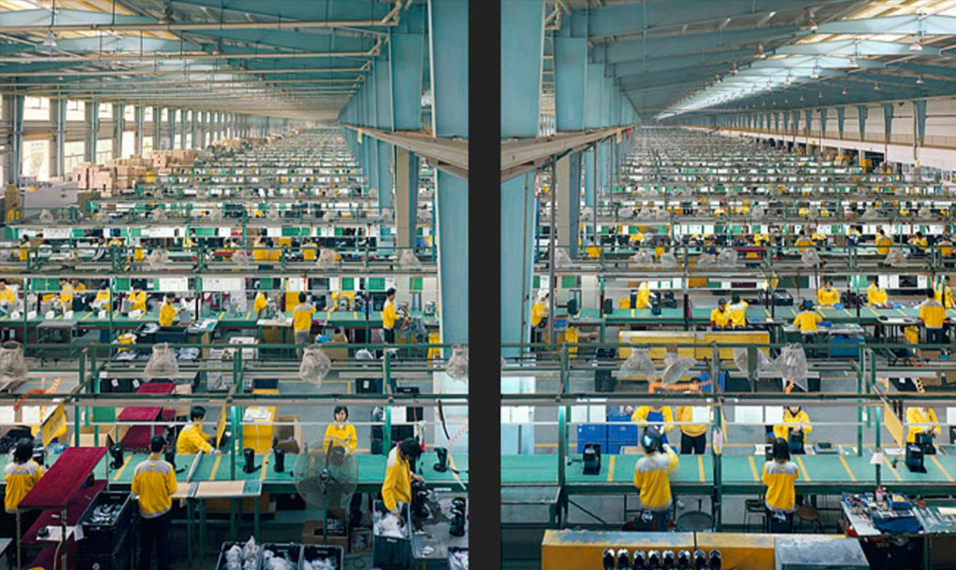
BEIJING – The impact of higher US tariffs on Chinese products is beginning to take effect, with several factories halting production, laying off workers, and seeking new markets.
Cameron Johnson, senior partner at Tidalwave Solutions, told CNBC on Monday (28 April) that factories in key export hubs such as Yiwu and Dongguan have started scaling back production, particularly toy manufacturers, sports equipment producers, and makers of inexpensive goods.
“Some factories have even sent half their workers home in the past few weeks,” he said.
According to Goldman Sachs, an estimated 10 to 20 million Chinese workers are involved in exports to the US. With tariffs exceeding 100% on Chinese goods, followed by Beijing imposing similar counter-tariffs, pressure on the manufacturing sector continues to intensify.
Ash Monga, CEO of Guangzhou-based Imex Sourcing Services, believes the tariff impact is even greater than the disruption caused by the COVID-19 pandemic.
He noted that many small and medium-sized enterprises (SMEs) in China are now on the brink of bankruptcy.
To support SMEs, Imex Sourcing launched "Tariff Help", a platform aimed at helping businesses source suppliers outside China.
Meanwhile, factories are adopting new survival strategies.
Ningbo-based sportswear factory Woodswool, for example, has shifted to selling its products via livestreaming on Baidu’s domestic platform.
“All orders from the US have been cancelled,” said Li Yan, factory manager and brand director of Woodswool.
For now, some of its production capacity will remain idle for two to three months while building new markets in Europe and Australia.
Baidu is actively supporting hundreds of Chinese businesses transitioning to the domestic market, providing free AI-powered tools such as "Huiboxing", a virtual sales assistant.
They claim that AI-driven sales agents outperform human salespeople in effectiveness.
In addition to Baidu, e-commerce giant has committed to purchasing ¥200 billion worth of export products for domestic distribution.
However, this represents only about 5% of China’s total exports to the US last year, which reached $524.66 billion.
Food delivery service Meituan has also announced similar support. However, selling to the domestic market is not always straightforward.
Many products designed for suburban US consumers struggle to gain traction among urban Chinese buyers, said Michael Hart of the American Chamber of Commerce in China.
Meanwhile, Ashley Dudarenok, from marketing consultancy ChoZan, observed that domestic consumers are increasingly fatigued by the "buy Chinese products" campaigns.
Some Chinese firms are now looking beyond the US. Many have shifted production to India and Southeast Asia or redirected focus to European and Latin American markets.
For example, Liu Xu, who runs Beijing-based e-commerce firm Mingyuchu, remains optimistic about business in Brazil, despite container costs and exchange rate fluctuations.
Ghana-based Cotrie Logistics, founded during the pandemic, is now helping companies manage shipments between China and West Africa.
Its CEO, Bright Tordzroh, stated that US-China trade tensions have created new opportunities for logistics firms like Cotrie. (EF/LM)
